
Kenya Safaris: The Ultimate Guide to an Unforgettable African Adventure
A safari in Kenya is one of the most famous ways to see wildlife in the world. Kenya has some of the greatest safaris in Africa, from the wide-open savannahs full of lions and elephants to the exciting migrations of wildebeests. The Maasai Mara National Reserve, Amboseli National Park, and Tsavo National Park are just a few of the famous parks in the globe where visitors may see amazing species and stunning scenery.
Kenya has something amazing to offer every tourist, whether they are going to see the Great Migration, go on a luxury safari, or have a family adventure.
Why is the best Safari Destination
People frequently say that Kenya is where the modern safari began. The nation has a lot of different habitats, a lot of animals, and a well-developed tourism infrastructure.
Safari Highlights
- Great views of the Big Five animals
- The Great Migration, which is famous all throughout the world
- Amazing sceneries, such savannas, lakes, and mountains
- High-end lodges and tented campgrounds
- A lot of cultural interactions with the Maasai people
Kenya safaris are great for both first-time safari-goers and experienced explorers because they include wildlife, culture, and adventure.
Best Time to Visit Kenya For Safaris
Jan – March
Excellent wildlife viewing and warm weather
April – May
Green season with fewer tourists
June – October
Peak safari season and Great Migration
November – December
Short rains and lush landscapes
Best Safari Destinations in Kenya
For the best safari experience, we recommend combining an iconic visit to the Maasai Mara National Reserve with one or two additional safari destinations. While the Maasai Mara is world-famous for its rich wildlife populations and the dramatic Great Migration, Kenya offers many other incredible national parks that enhance a safari itinerary. Travelers often combine the Maasai Mara with destinations such as Amboseli National Park, known for its large elephant herds and views of Mount Kilimanjaro, or Tsavo National Park, one of Kenya’s largest wilderness areas famous for its red elephants and dramatic landscapes. Visiting multiple parks provides a well-rounded Kenya safari with a greater variety of wildlife, scenery, and cultural experiences.
Maasai Mara National Reserve
The Maasai Mara National Reserve is Kenya’s most famous safari destination and one of the best places in Africa to see wildlife.
The reserve is especially well known for the Great Migration, when millions of wildebeest and zebras move between Tanzania and Kenya in search of fresh grass.
Visitors to the Maasai Mara often enjoy:
- Close encounters with lions, cheetahs, and leopards
- Dramatic river crossings during migration season
- Endless views of open savannah
- Balloon safaris over the plains at sunrise
The best time to visit is usually July to October, when the migration reaches the Mara.
Amboseli National Park
Few safari locations are as photogenic as Amboseli National Park.
This park is famous for its large elephant herds and stunning views of Mount Kilimanjaro, Africa’s highest mountain.
Game drives in Amboseli often include sightings of:
- Elephants walking across the plains
- Lions and cheetahs hunting in open grasslands
- Giraffes, zebras, and antelopes near the wetlands
For photographers, Amboseli offers some of the most iconic safari scenes in Africa.
Lake Nakuru National Park
FLAMINGOS AND RHINOS OF THE RIFT VALLEY
Lake Nakuru, which is in the Great Rift Valley, was designated a rhino sanctuary in 1983. It currently has robust populations of both black and white rhinos, making it one of the best spots in Kenya to see rhinos. The wildlife is what originally made Nakuru famous. The alkaline lake used to be home to up to 1.5 million flamingos, which made the shore look like it was covered in pink.
The park is also home to lions that are famed for climbing trees, leopards in the wooded southern parts, Rothschild’s giraffes (one of the most endangered subspecies), and more than 400 different kinds of birds. Nakuru is only 188 km², yet tourists may see animals on almost every game drive.
Samburu National Reserve
KENYA’S LARGEST WILDERNESS
Tsavo is two parks in one — Tsavo East and Tsavo West — together forming one of the largest national parks in the world at nearly 22,000 km². This is Kenya at its wildest and most elemental: vast red-dust plains, ancient lava flows, swamps fed by underground springs, and a profound, almost overwhelming sense of space.
The park is famous for its red elephants — pachyderms that have adopted the habit of wallowing in and dusting themselves with Tsavo’s distinctive ochre-red volcanic soil, giving them an almost mythological appearance. The Aruba Dam in Tsavo East draws enormous concentrations of animals and provides some of the park’s finest game-watching.
Tsavo National Park
One of Kenya’s largest wilderness areas is Tsavo National Park, which is divided into Tsavo East National Park and Tsavo West National Park.
Tsavo is famous for its red elephants, which appear red because of the park’s volcanic soil.
Unlike the busy Maasai Mara, Tsavo offers a quieter safari experience with vast landscapes and fewer crowds.
Travelers love Tsavo for:
- Its raw and remote wilderness
- Unique landscapes including lava flows and springs
- Excellent wildlife sightings away from busy safari routes
Ol Pejeta Conservancy
Ol Pejeta is not a national park; it is a private reserve in the Laikipia highlands. It may be the most significant wildlife attraction in Kenya for conservation. It is home to the greatest population of black rhinos in East Africa, and Najin and Fatu, the last two northern white rhinos on Earth, lived there. They were safeguarded by armed guards around the clock.
Ol Pejeta is a great place to go on safari, and it’s also important for conservation. It features a chimpanzee sanctuary (the only spot in Kenya where you can view chimpanzees) and supports all of the Big Five. It also provides 24-hour ranger-guided access over a 365 km² guarded reserve. You can drive at night, which lets you observe aardvarks, genets, porcupines, and other animals that are active at night but not during the day.
Types of Kenya Safari Experience
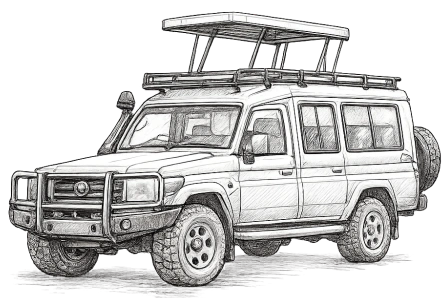
Classic Game Drive Safari
The bedrock of any Kenyan safari. A 4×4 Land Cruiser (with pop-up roof for 360° viewing) driven by a trained guide through the park at dawn and dusk, when wildlife is most active. Most lodges offer two game drives per day plus a sundowner.
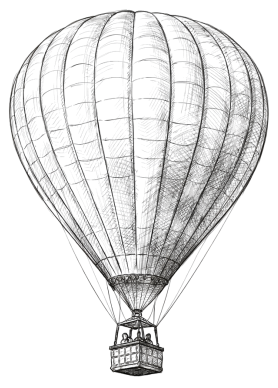
Hot-Air Balloon Safari
The Masai Mara's signature premium experience — a dawn balloon flight drifting silently over the savannah at treetop height, watching herds move across the golden plains below. Flights typically land with a champagne bush breakfast. Cost: approximately $450–$650 per person.
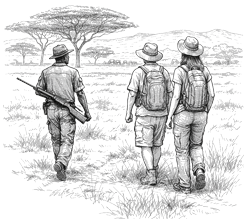
Walking Safaris
Available in private conservancies (Laikipia, Ol Pejeta, Mara conservancies) — not permitted in national parks. Walking with an armed ranger changes everything: your senses sharpen, scale becomes real, and the bush becomes intimate in a way no vehicle can replicate.
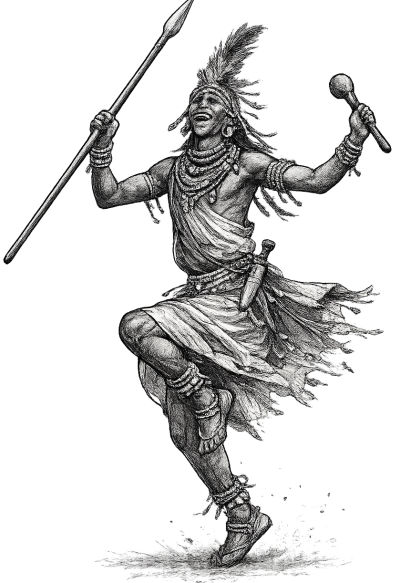
Cultural Safaris
No Kenyan safari is complete without time in a Maasai village. Witnessing the jumping dance (adumu), touring a manyatta homestead, visiting community-run women's craft cooperatives, and understanding how one of Africa's most extraordinary cultures coexists alongside wildlife adds a profound dimension to the experience.
Everything You Need to Know About Kenya Safaris
Getting There
This country is well-served by international flights into Jomo Kenyatta International Airport (NBO), Nairobi. Most major airlines fly direct from London, Amsterdam, Dubai, and Doha. Internal flights from Wilson Airport (WIL), a 20-minute drive from JKIA, connect to most safari destinations in under an hour. Road transfers are also available for nearby parks like Nakuru and Amboseli
Entry Requirements
Electronic Travel Authorisation (eTA) required — apply online at least 3 days before travel at etakenya.go.ke
Yellow fever vaccination certificate required if arriving from a yellow fever zone
Most nationalities: $30 single entry eTA. East African citizens: free entry
Valid passport required with minimum 6 months remaining validity
Health
Malaria prophylaxis recommended for all safari destinations — consult your travel clinic
Yellow fever vaccination may be required depending on your routing
Travel and medical evacuation insurance strongly recommended — Flying Doctors AMREF membership valuable
High-factor sunscreen, insect repellent with DEET, and a light long-sleeved layer for evenings
What should I pack for safari?
Think lightweight, breathable, and neutral-colored clothing. Include:
- Long-sleeved shirts & pants (for sun and insects)
- A warm jacket (early mornings can be chilly)
- Hat, sunglasses, sunscreen
- Binoculars and a camera
- Comfortable walking shoes
Luggage Restrictions for Domestic Flights
Most safari airlines in Tanzania operate small aircraft with limited luggage space, so passengers must follow strict baggage rules.
Typical luggage allowance:
- 15 kg (33 lbs) total luggage per person
- This includes carry-on and checked luggage combined
- Soft-sided duffel bags are required
Hard suitcases are usually not allowed because they do not fit easily in small aircraft compartments.
Recommended Luggage Type
The best luggage for safari flights is:
- Soft duffel bag
- Lightweight travel bag
- Flexible material
These bags are easier to load into bush planes and safari vehicles.
Click to see our Packing Lists
What Kind of a Vehicle is Used During the Safari?
We use 4×4 Toyota Land Cruisers prepared for tough routes. These vehicles have pop-up roof hatches for 360-degree game viewing, a cooler box to keep drinks cold, VHF radios for communication, and electrical outlets to charge electronic gadgets.
To preserve the unspoiled safari experience, Wi-Fi is not provided in the vehicles unless required, enabling complete absorption in your surroundings. Every camp and lodge has Wi-Fi. Our cars are inspected by mechanics after each safari to guarantee they are in excellent condition.
About the Mara River Crossing (July to October)
The big herd moves north at this time, heading toward Kenya's Maasai Mara National Park. There is no set schedule for the animals; we have to keep an eye on them every day as they slowly but surely make their way to their next big test: the Mara River.
Here, the water is the last lethal barrier. To get to the safer side of the river, the herds have to cross fast-moving water and crocodiles that are waiting for them. People come from all over the world to see it, hoping to catch a moment of raw, life-threatening drama on video or in photos.
Even outside of the famous river crossing at Kogatende, the surroundings around it are incredibly beautiful. They are a timeless stage for one of nature's greatest dramas of life, risk, and regeneration.
Click here to read more about Serengeti Wildebeest Migration
Book Your Tour Today
What our Guests have said?
EXCELLENTVerified 别急,所有美好都将不期而遇 这是我们第一次safari,选择了正值产崽季的坦桑尼亚。我们的预算不高,所以在地接社的选择上耗费了很多时间,但meijo公司没有因为我们预算低而放弃我们,始终对我们的任何疑问都非常耐心回答,不断的修改符合我们预算及心理预期的方案,这是我们选择的首要原因。在行程中,向导伊曼纽尔也颇具专业,带我们顺利找到了五霸,极具难找的花豹也追到了两次,并且他也相当耐心,我们的英语很差,沟通比较吃力,也有一些沟通出现问题,但他没有嫌弃我们,总是重复和耐心。再说说餐饮方面,我们这个预算我以为以餐盒为主,但实际上居然有随行的厨师,几乎每天都是热食,厨师做的菜也比较符合我们的胃口,一切都超过了预期,选择了meijo 是我们的幸运,把伊曼纽尔推荐给即将要来游猎的朋友们!Posted onVerified 很好 很开心 第二天就看到了两次花豹 第三天看到了猎豹 ,第四天看到里犀牛,向导和厨师都非常好 。向导很专业,厨师做的饭菜也很好吃。 很好 很开心 第二天就看到了两次花豹 第三天看到了猎豹 ,第四天看到里犀牛,向导和厨师都非常好 。向导很专业,厨师做的饭菜也很好吃。Posted onVerified LABA 在众多的Safari选择了MEIJO!之前朋友来就是选择这家,然后我也选择了这家!不管是定制行程的销售Marcelina Meijosafaris还是到向导Emmanuel每个人都很耐心! 向导很有经验第二天我们就追到了两只花豹,还看到它狩猎时刻!第三天追到了猎豹!第四天看到了犀牛!狮子几乎每天都能看到还能看成群的!Posted onVerified 很幸运集齐非洲五霸,向导也很给力,很努力的带我们去寻找我们想要看的动物,整个过程刺激又好玩,非常不错! 很幸运集齐非洲五霸,向导也很给力,很努力的带我们去寻找我们想要看的动物,整个过程刺激又好玩,非常不错!Posted onVerified Safari indimenticabile con Meijo Safari – super consigliato! Abbiamo vissuto un’esperienza straordinaria con Meijo Safari, organizzata in ogni dettaglio. L’itinerario è stato perfetto: Tarangire, lago Ndutu, due giorni nel Serengeti e il magnifico cratere di Ngorongoro — un viaggio completo ed emozionante. La nostra guida Elia è stata eccellente: sempre puntuale, professionale e molto preparata. Ci ha spiegato animali, flora e fauna in modo chiaro e coinvolgente, rendendo ogni avvistamento ancora più interessante. Abbiamo apprezzato molto anche il suo approccio rispettoso: guida prudente, mai invasiva e sempre attenta a non disturbare gli animali, seguendo una vera filosofia di “non lasciare impronte”. Grazie a lui siamo riusciti a vedere i Big Five, un’emozione unica! In particolare, l’avvistamento del rinoceronte nero nel Serengeti è stato davvero indimenticabile. Consigliamo assolutamente Meijo Safari e Elia a chiunque voglia vivere un safari autentico, ben organizzato e rispettoso della natura.Posted onVerified 難忘七天坦桑尼亞動物大遷徙 由最初詢問行程和討論行程時,Meijo Safaris都能提供專業意見,快速回應。 動物大遷徙行程部分,司機兼導遊Gabby 十分專業,駕駛方面全程十分平穩,就算崎嶇道路,也會慢慢駛過沒有癲波感覺。 每個地方出現的動物 Gabby 都能講解期動物特性和本能,教導我們如何分辨不同動物。就算在很遠的動物 Gabby都能看得到。當發現各種不同的動物時,Gabby 都能把車停泊在最有利觀賞及攝影位置,使我們能拍出精彩的照片,並且提供充足時間讓我們拍照,成功拍到非洲五霸。 每天早上我們上車時,都發覺車上打掃得很乾淨,前一天車窗和車內泥巴都清理乾淨,讓我們可以舒服並清楚地看動物。而且每天食住和行程時間安排也很恰當,讓我們可以精神看動物。 十分推薦在坦桑尼亞找 Meijo Safaris 看動物大遷徙。Posted onVerified Strongly recommend Amazing experience with our safaris guide Aron, a gentleman with professional knowledge and experience.Posted onVerified This is the most unforgettable trip during my life! This Safari trip was really amazing! We spent 8 days in Tarangire, Ndutu, Serengeti and crater. Finally, We could see big five, baby lions, baby cheetahs, 2 unsuccessful hunting times orz hhh. Our tour guide, Jordan, is a very experienced and gentel man. He knows all animals just after having a look. He told us many interesting stories about the mammals, birds and trees. 5-starred tour guide!Posted onVerified Well-run private safari with strong operations, Abdul is top-tier We booked an 8-day private safari in northern Tanzania and were impressed by how well everything was executed. Before the trip, communication was clear and responsive. On arrival, transfers were punctual, the schedule was organized, and daily routines were consistent, which matters a lot on a safari. Abdul, our guide and driver, was top-tier. He is excellent at spotting wildlife and even better at positioning the vehicle. He repeatedly chose parking spots that gave unobstructed views, and several times animals naturally moved closer to our side shortly after he stopped. That kind of consistent “right place, right time” ability is rare and made the viewing experience exceptional. The vehicle was clean and in good condition, and Abdul drove safely on rough roads. Wildlife viewing etiquette was respectful, never aggressive. Overall, this was a smooth, professional safari with a truly outstanding guide. We would book again and strongly recommend requesting Abdul.Posted onVerified Beyond what I imagined, incredible scenery and wildlife, thanks to Abdul I joined an 8-day safari in northern Tanzania and it was even better than I imagined. The landscapes were breathtaking, from wide open plains to dramatic skies and beautiful morning light. Each area felt different and memorable, and the wildlife experience was consistently strong. Abdul, our guide and driver, was a major reason the safari was so successful. He was incredibly good at finding animals and choosing where to stop. Many times he parked in a perfect position, and then animals moved toward our side, giving close and clear views that felt almost unreal. He also knew when to wait quietly for the scene to develop, which made the encounters feel natural and respectful. The whole trip felt safe, smooth, and well paced. I would recommend this safari to anyone, and if I return to Tanzania, I would book again and hope to travel with Abdul again.
Tripadvisor Travelers' Choice Award Winner
For the third year in a row, we are truly honored to be recognized with the prestigious TripAdvisor Travelers’ Choice Award for 2023 & 2024 and 2025.

100% Tailored Safaris
No matter if you’re an individual, couple, family, or group, Meijo Safaris is here to assist you in planning your itinerary and guaranteeing that you have an incredible experience in Africa with complete confidence and peace of mind.
Experienced Safari Experts
You will have the opportunity to plan your journey with knowledgeable Safari Specialist who will guide you every step of the way. Embrace a life where you can dedicate more time to living the experience, rather than getting caught up in researching, worrying, and comparing.
Need help planning? Our team is here for you
Share your travel ideas with us, and we’ll design a custom safari itinerary tailored just for you within 4 hours.