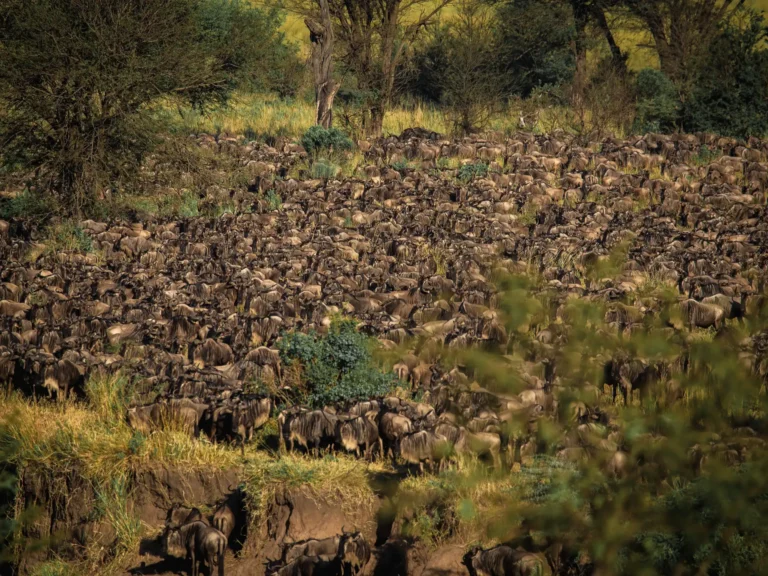
Witness the Serengeti Wildebeest Migration Safari! Experience river crossings & calving season. Best time to go, expert guides & luxury camps, Every year, 1.5 million wildebeest, 200 000 zebra, and hundreds of antelope of various types undertake the 800 to 1000 km journey across Tanzania’s Serengeti and Kenya’s Masai Mara. All of the major predators, as one would assume, follow closely behind. It’s their take on ‘Food on the Move.’
There are no words to describe the feeling of witnessing these massive herds of wild animals roar across the plains, blowing up dust as they go, as they roar across the plains. They are truly one of the greatest spectacles on earth. If you watch them moving, it appears to be almost as if thunder is rumbling underneath the African soil as they are moving. And that’s before we get to the crocodile-infested river crossings in June/Jul/August.
What is Serengeti Wildebeest Migrations
Wildebeest, zebras, and gazelles migrate across the plains of East Africa each year in search of water and fresh grazing. Herds migrate from Tanzania to Kenya in July and August, where they spend the rest of the year. Furthermore, migrations replenish grasslands and maintain predator populations in the Serengeti ecosystem.
Why do they Migrate?
This endless, 800–1,000 kilometer journey is driven by one simple need: survival. The animals follow the rains, which create fresh, nutrient-rich grasslands. They move through different habitats—open plains, riverine forests, and wooded savannah—each offering food and presenting unique challenges, from predators to difficult terrain.
This non-stop, year-long cycle showcases the incredible resilience and adaptability of wildlife in the Serengeti ecosystem.
Serengeti Wildebeest Migration Route
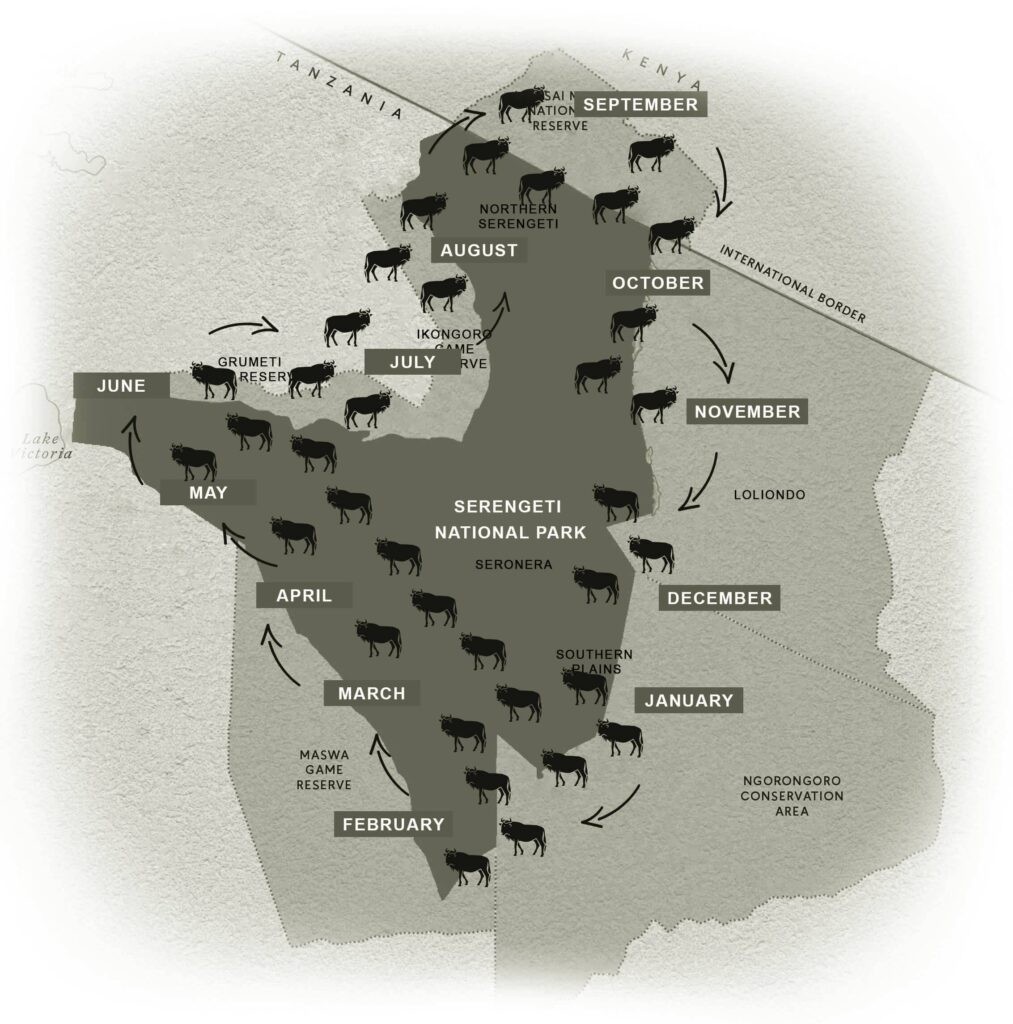
The Great Migration moves in a continuous clockwise circle over East Africa. This epic trip starts on the southern Serengeti plains in Tanzania and goes north to the Maasai Mara in Kenya in search of new pasture and water.
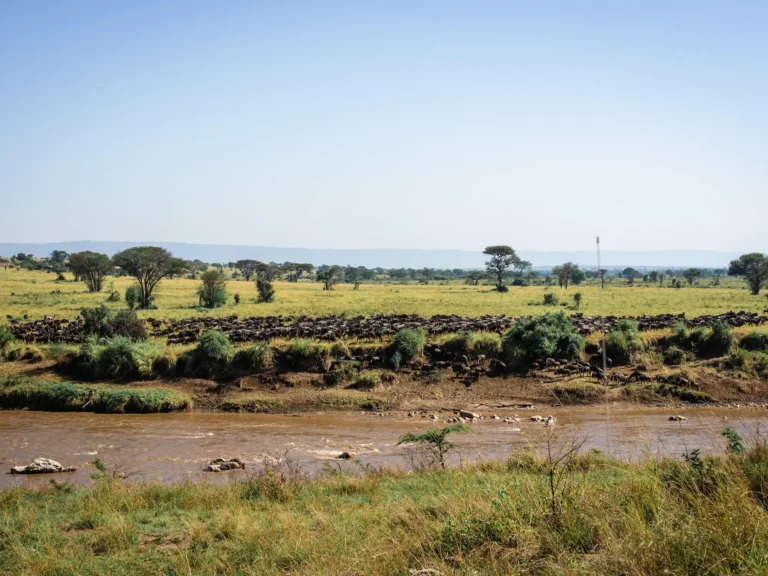
The route is known for its famous—and dangerous—river crossings. Herds have to cross the Grumeti River and, most notably, the Mara River, where crocodiles are waiting for them below the surface. These spectacular incidents are some of the most dangerous parts of the whole expedition.
The animals move across a patchwork of grasslands, forests, and wetlands, where they learn to deal with the various challenges and resources in each one. This complicated and ever-changing journey covers 800 to 1,000 kilometers and takes months to finish. The year-long, non-stop cycle is a strong proof of how strong and flexible wildlife in the Serengeti and Mara ecosystem is.
Calving Season – January to April
The majority of wildebeest calves are born in February, and the animals remain in the same region. There are said to be 8000 babies born per day for roughly three weeks.
The animals begin their long trip north in April or May in search of new grazing land and fresh water.
The Western Corridor – April to July
In the Western Corridor, the animals gather on the Grumeti River’s south side. Instead of being one continuous river, the river here often consists of a number of ponds and streams. These river crossings are not as as impressive as those of the Mara River in the north, but the animals serve as an annual feast for the enormous crocodiles of the Grumeti River.
River Crossings – July to October
By late July and August, the leading waves of the migration arrive in Kenya’s Maasai Mara, while the majority of the herds remain on the northern Serengeti plains. Here, the journey converges on its greatest and most dramatic obstacle: the Mara River. The spectacle of the crossing is so iconic that viewing areas along the river—largely within public national parks—often become crowded as visitors jostle for a prime position.
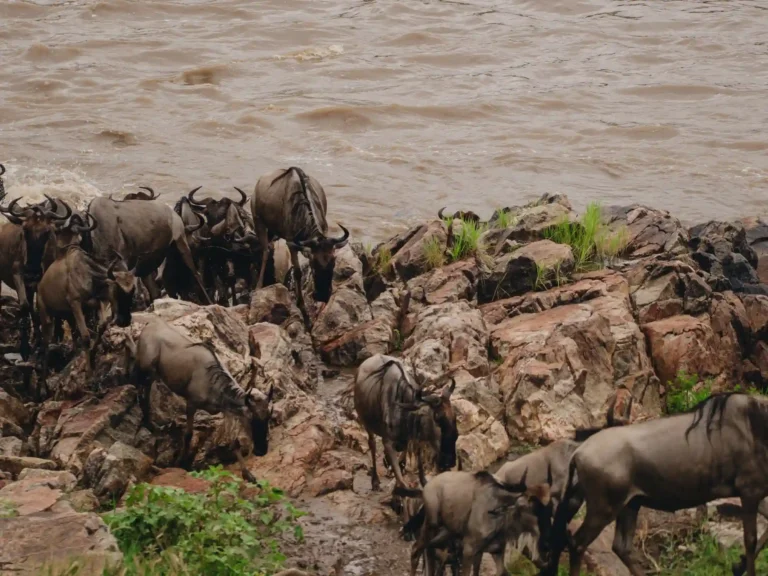
Whether in nervous clusters or chaotic hundreds, the wildebeest plunge into the crocodile-infested, swift-flowing waters. These crossings lay nature bare: crocodiles seize multiple meals in a single day, while hyenas and lions patrol the banks, ready to ambush the exhausted or unlucky. Even the river itself claims victims, its currents drowning many, only to nourish the ecosystem’s fish and birds.
By September and October, most of the herd has crossed into the Mara’s vast grasslands, though stragglers may remain in the northern Serengeti. The wildebeest graze across these rich plains, regaining their strength until the short November rains stir their ancient instinct to turn south, and the great cycle begins again.
The return south – October to December
The annual Great Migration changes direction in November. The short rains signal to over a million wildebeest and zebra that it is time to leave Kenya’s Maasai Mara and return south to Tanzania’s Serengeti National Park.
On the southward journey, the herds spread out across the eastern Serengeti. They cross the park’s central and eastern plains, which are now green and fertile after the rains.
Their destination is the southern Serengeti plains. By January, the herds arrive. Here, hundreds of thousands of wildebeest calves are born in a few weeks. This incredible event of new life marks the end of one migration cycle and the beginning of the next.
Wildebeests Migration Map
It is always recommended to book the migration Safari as early as possible because the camps and lodges are limited in number. They fill up very quickly, especially from June to October.
The Majority of the Migration happens in Serengeti National Park, Tanzania, and only a small part of the cycle occurs in Masai Mara National Reserve, Kenya.
The river crossings are highly unpredictable, but they generally occur from May to September in different parts. The more the number of days you stay, the higher the chance to witness it. Since the migration and the river crossing are big events, you can expect more crowds from June to September in Serengeti and Masai Mara.
Always stay close to the river or choose the mobile migration camps for the best game viewing. Although you cannot see the migration from your campsite, you can always drive around and search for them.
Migration Disclaimer: Migration patterns are guided by nature, not fixed dates. Rainfall, grass availability, and climate variability can cause herds to split or change direction. While itineraries are planned around expected movement, sightings can’t be guaranteed. The Serengeti offers exceptional wildlife year-round, including big cat encounters and rich landscapes.
Where to Stay During Serengeti Wildebeest Migration Safari
Ndutu Area - Calving Season
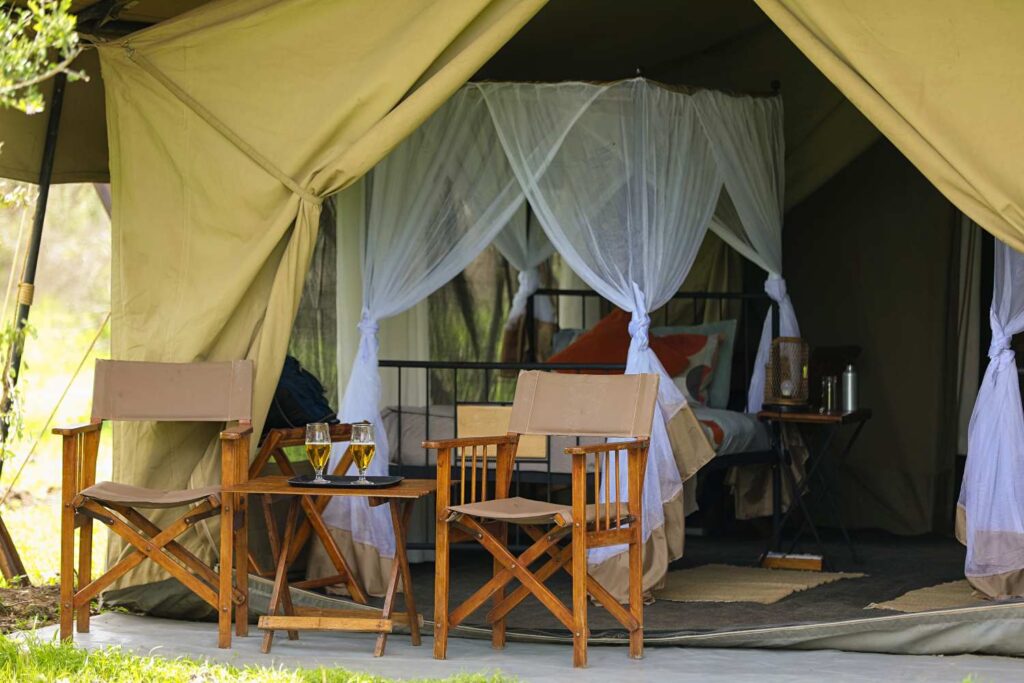
Serengeti Classic View Migration Camp -Comfort
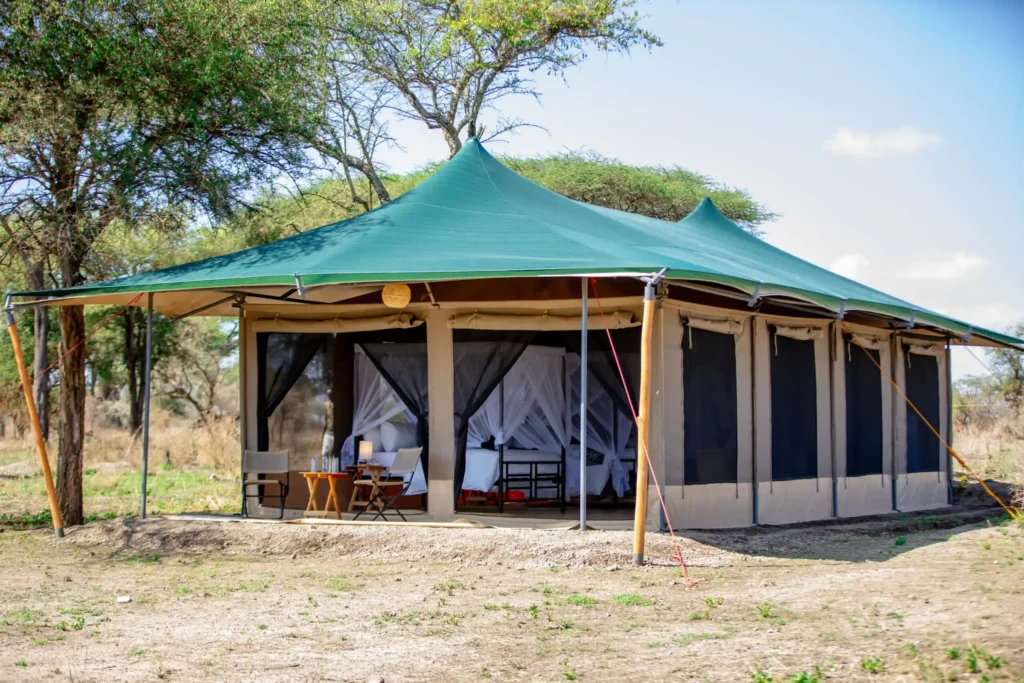
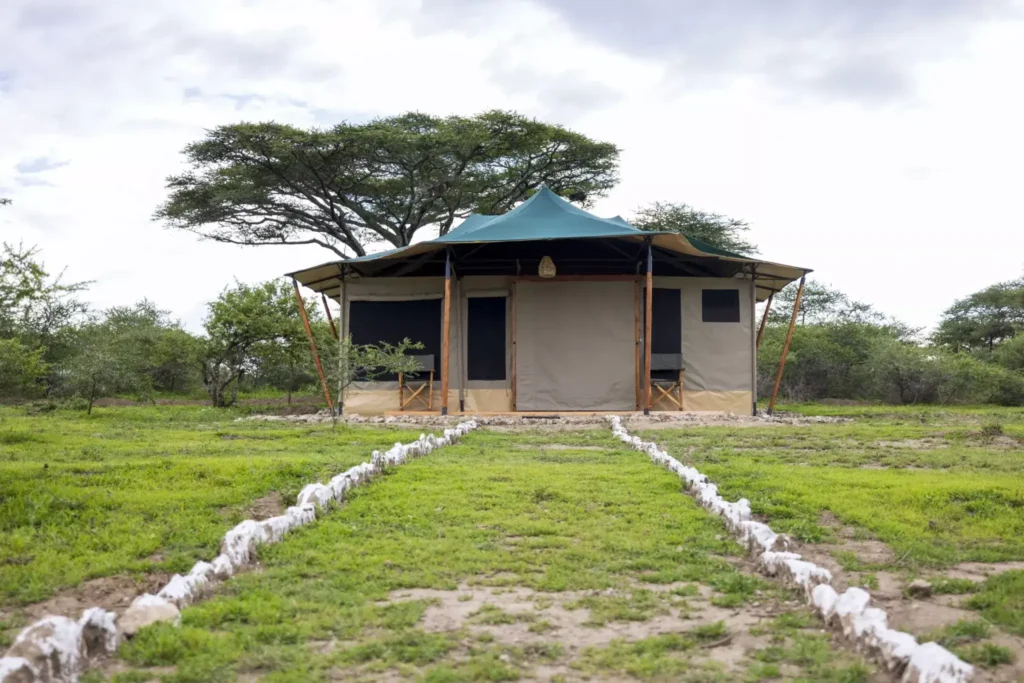
Open seasonally from December to April, Serengeti Classic View Migration Camp – Ndutu puts you closer to the Great Migration’s birthplace. You’ll get unequaled access to one of nature’s most emotive animal shows with a few private tents and excellent Ndutu location.
Blend wilderness charm with thoughtful conveniences and warm hospitality in your luxury tent to experience nature’s raw splendor.
Safari Haven Migration Camp - Ndutu
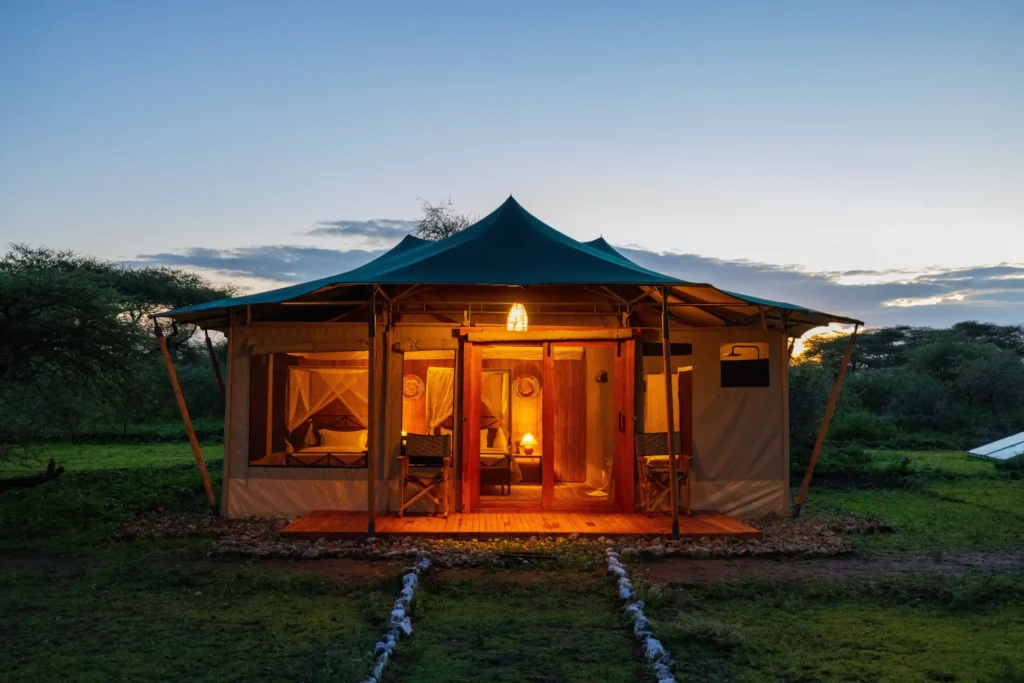
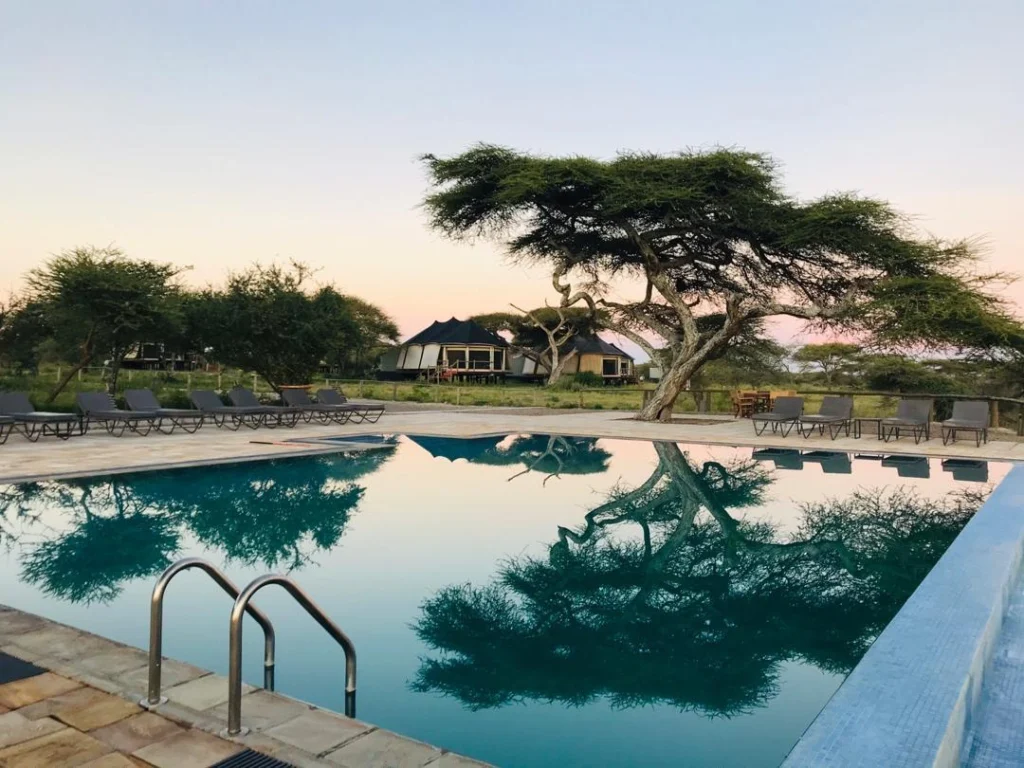
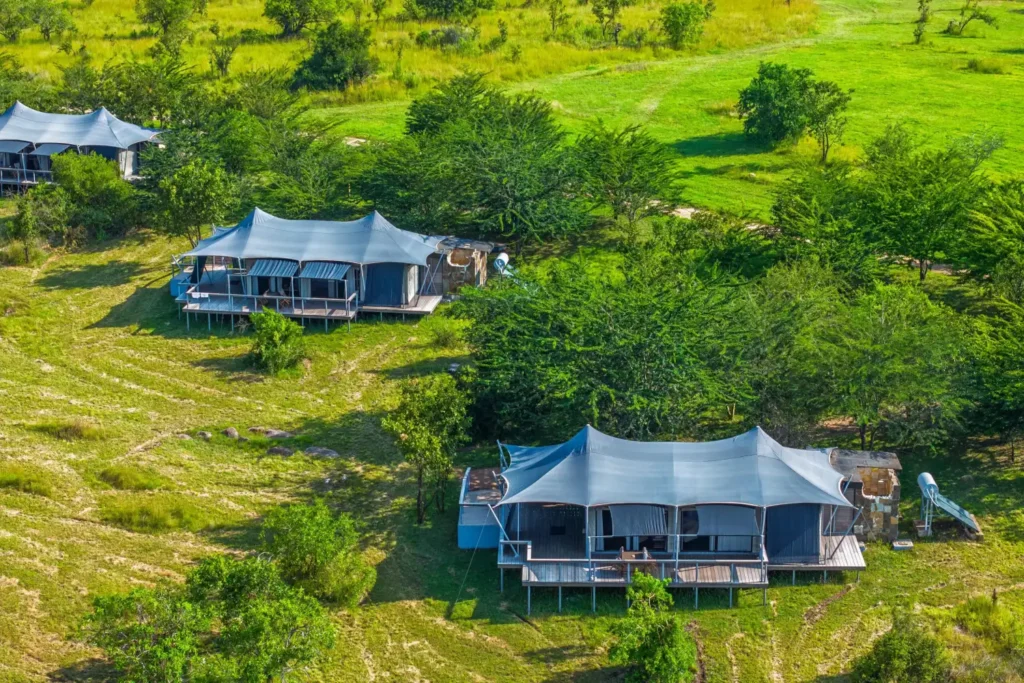
Safari Haven Migration Camp provides an unmatched chance to see the Great Migration. This seasonal camp is strategically placed near Ndutu and Kogatende in the northern Serengeti, giving visitors front-row seats to exceptional animal activity. Safari Haven Migration Camp immerses you in the Serengeti ecosystem’s raw beauty and exhilarating dynamics, from the calving season near Lake Ndutu in acacia trees to the spectacular river crossings at Kogatende. This camp offers luxurious lodgings and a peaceful getaway for an exceptional safari experience, blended into its natural surroundings.
Untamed Migration Camp
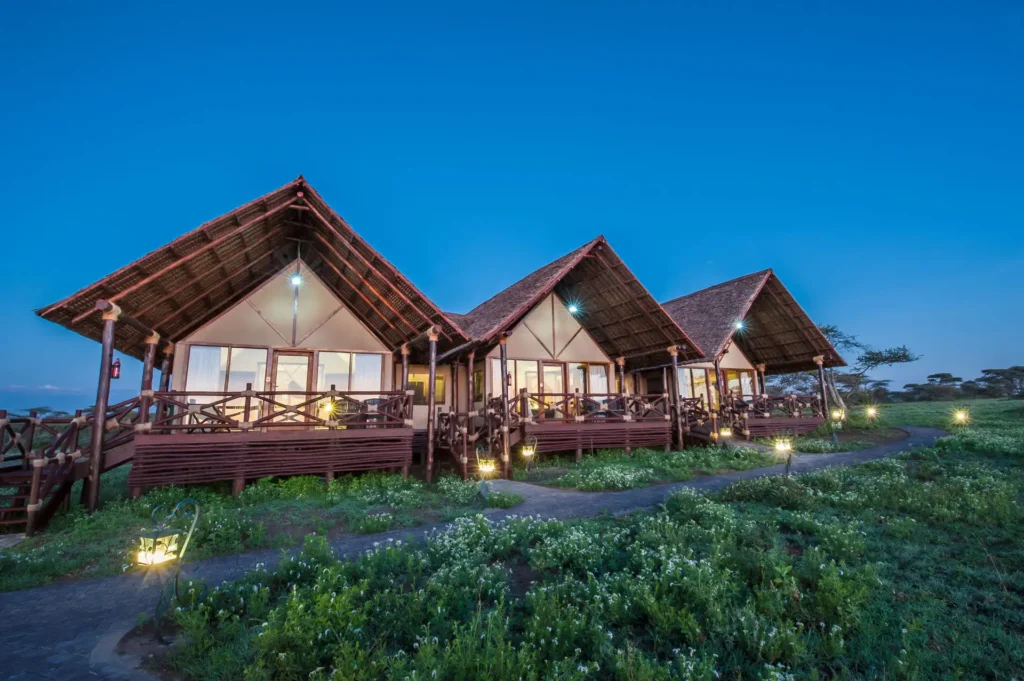
Experience the wild without sacrificing comfort. Untamed Serengeti Migration Camps feature clean, well-appointed rooms with private balconies, allowing you to observe the magnificent wildlife right from your doorstep. Each room provides a serene retreat after a day of adventure.
Intimate Zebra Camp
Camp Zebra has 12 large tents, including two 2-bedroom family tents. Each tent can accommodate single, double (or twin), triple, and quadruple occupancy, making it suitable for couples and parties.
A private veranda with sitting, a large bedroom and dressing area, and an ensuite bathroom with porcelain flush toilet and shower are included in each tent. Showers and washbasins have hot and cold water 24/7.
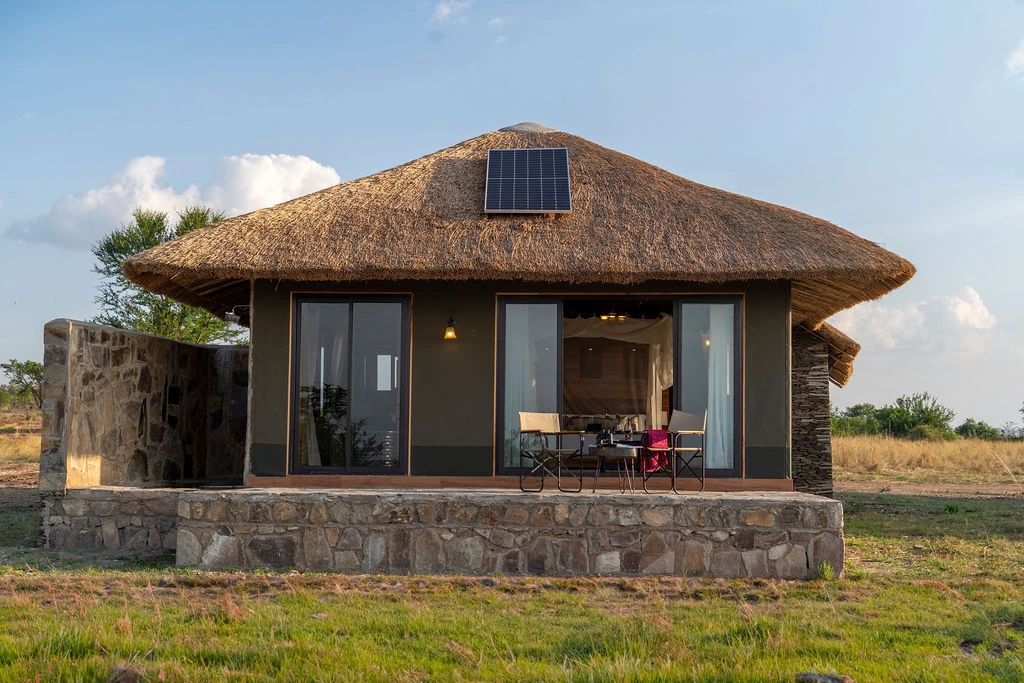
Solar energy powers each tent, making it easy to charge your phone, camera, laptop, and other gadgets. Even in the Serengeti, you’ll have fast, dependable Wi-Fi to share safari photos or stay in touch.
Masek Tented Lodge - Premium
You may see animals from your tent’s patio. This camp is an excellent viewing spot since many animals visit the lake for water.
This is also the site of the Great Migration from December to April, when the Big Five come. Every year, the camp is moved to a new location so you can always watch this amazing sight from your tent.
The camp is eco-friendly but comfortable and attentive. Water is gathered from rainwater and power is generated by solar panels. The goods are all biodegradable.
Lake Ndutu Luxury Tented Lodge - Premium
In the Ndutu area, Lake Ndutu Luxury Tented Lodge is situated between the Ngorongoro Conservation Area and the South Eastern Serengeti.
It’s an excellent place to see both the huge migration and the local game. It’s also a great place to visit the nearby Serengeti National Park.
Ndutu Safari Lodge - Premium
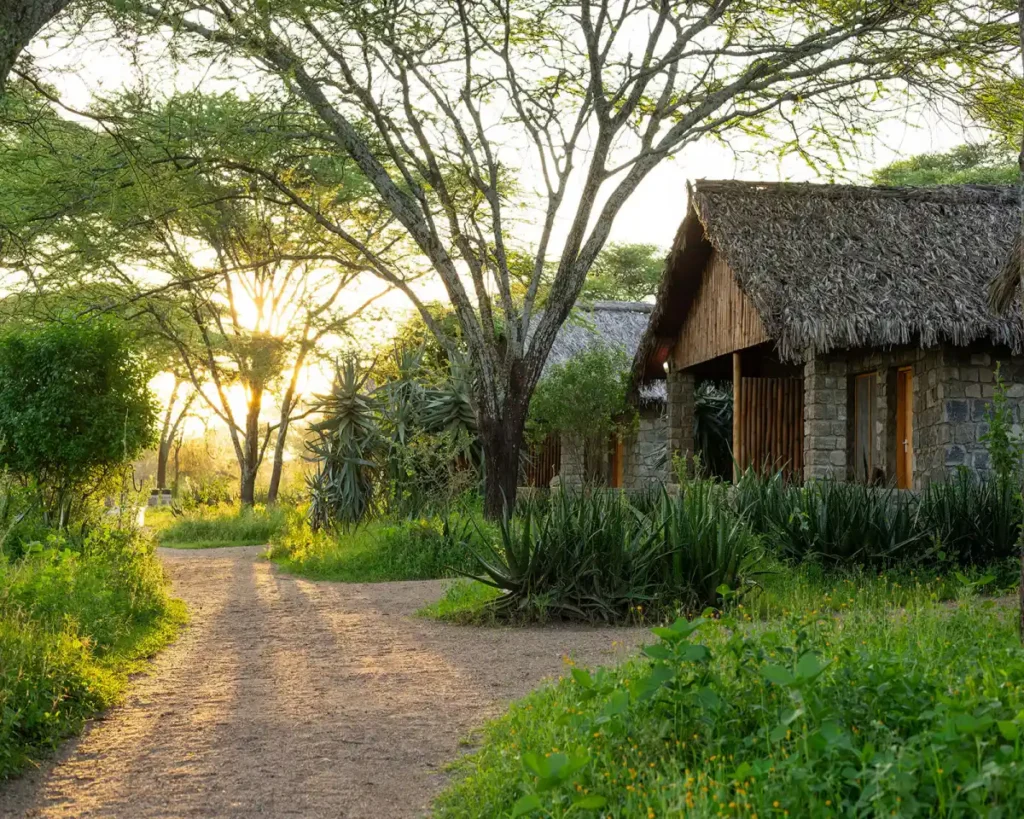
Tucked away in the southern plains of the Serengeti Ecosystem, Ndutu Safari Lodge offers an authentic and intimate safari experience unlike any other.
Known for its prime location near Lake Ndutu, this lodge is one of the best places to witness the Great Migration calving season, where thousands of wildebeest give birth on the open plains.
Kogatende Area - River Crossings
Serengeti Classic View Migration Camp - Comfort
Set in the remote northern part of the Serengeti National Park, Serengeti Classic View Migration Camp – Kogatende offers one of the most thrilling safari experiences in Africa—front-row access to the legendary Mara River crossings.
This seasonal camp places you right in the heart of the Great Migration, where thousands of wildebeest and zebras risk their lives crossing crocodile-filled rivers in one of nature’s most dramatic spectacles.
Safari Haven Migration Camp - Kogatende - Comfort
Safari Haven Migration Camp – Kogatende is a seasonal tented safari camp located in the northern part of Serengeti National Park, offering front-row access to one of Africa’s most dramatic wildlife events—the Great Migration river crossings.
Perfectly positioned near the Mara River, this camp delivers an immersive safari experience where luxury meets raw wilderness.
Intimate Zebra Camp
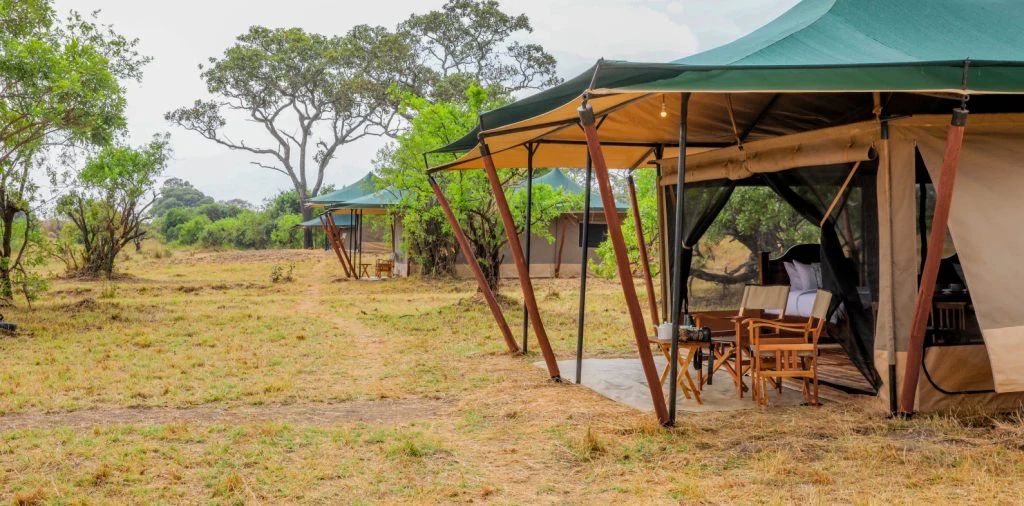
Intimate Camp Zebra is a unique mobile safari camp that brings you as close as possible to the Great Migration. Designed to move with the wildlife, this camp offers an immersive and authentic safari experience in the heart of the Serengeti.
Rather than staying in one fixed location, the camp follows the migration routes—ensuring guests are always where the action is.
Mara Mara Tented Lodge - Premium
Elegant tents built on raised wood platforms with a private terrace overlooking the savannah. There is a choice of beds, a king size bed or two singles. The bedrooms have a bathroom with a bathtub and an outdoor shower. The family tent consists of two interconnected tents. The bungalow rooms consist of two interconnected rooms.
Serengeti Mara River Camp - Premium
Nestled in the heart of the Northern Serengeti, Mara River Camp boasts a location second to none. Just a mere 10 minutes from the legendary Mara River, our camp offers guests an unparalleled proximity to nature’s most mesmerizing spectacles. The river itself is famed as the backdrop to the dramatic annual wildebeest migration crossings, an event that has captured the imagination of many. But it’s not just the migration that makes our location special; the rich tapestry of wildlife, from majestic lions to graceful gazelles, is a constant presence.