

Ngorongoro Crater
Explore the Ngorongoro Crater, a UNESCO World Heritage Site. Witness the highest density of Big 5 wildlife in Africa on a day trip into the world’s largest intact caldera.
The Ngorongoro Crater is surely the most impressive geological feature in Africa, a truly remarkable sunken caldera which is home to a wide range of ecosystems and virtually the whole range of safari wildlife. The Ngorongoro Crater, that was declared a World Heritage site by UNESCO in 1979, is the most known and visited zone of the entire Ngorongoro Conservation Area and is also the most scenic part with the highest concentration of animals throughout the African continent; it is also the only place in Tanzania where you can easily spot the Big 5.
It is actually a large non-flooded caldera that was formed some 3 million years ago following the collapse of a volcano, that is estimated to have been as high as 4,500-5,800 metres. The crater is 2,200 metres a.s.l. and measures 19 km in width, 16 km in length and 610 metres in depth, while the surface area of the bottom is 265 km2; the slopes are intact and are covered with a dense forest up to an altitude of 3,200 metres a.s.l.
The wildlife living in the crater itself is there all year, so from an animal viewing point of view, it’s good all year. Due to its size, the area may get crowded during peak tourist seasons which are the dry season from July to September and the baby season after the first rains between December and February. March and April are generally the wettest seasons and heavy rains can make some roads unpassable.
Best Time to visit Ngorongoro Crater
The greatest time to go on safari in Tanzania is from July to October which is also the best time to explore the Ngorongoro Crater. These are Tanzania’s dry season months. However, because so few animals leave the Ngorongoro Crater’s floor, it is a year-round attraction. The Crater floor is home to an astoundingly large variety of species, which is why it has been dubbed “the Eden of Africa.”
What Makes This Place Special
The Ngorongoro Crater floor:
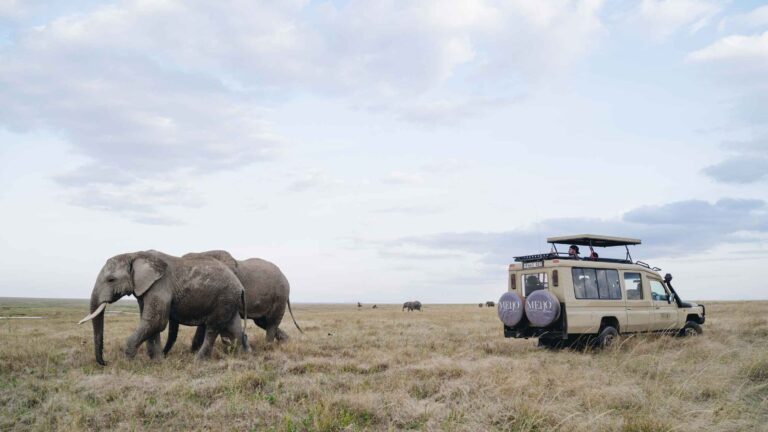
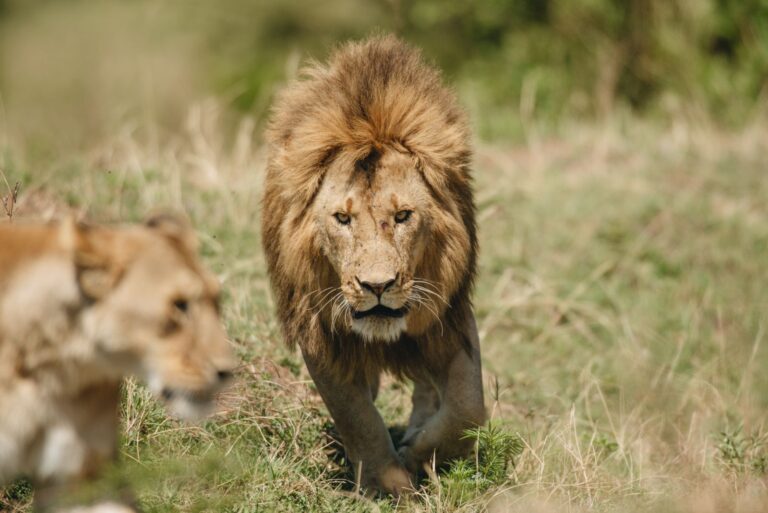
is home to a varied and abundant ecology. The Big Five (lions, leopards, elephants, buffaloes, and rhinoceroses) are among the many creatures that call it home. With a high animal population in a comparatively small area, the crater bottom is a unique wildlife sanctuary and a popular safari destination.
The Conservation Area of Ngorongoro:
The Ngorongoro Conservation Area itself is rich in history and culture, but the crater is the primary draw. The Maasai people have lived in the region for generations, and tourists may witness their traditional way of life and culture.
Views from the Crater Rim:
The Ngorongoro Crater’s rim offers breathtaking vistas. You may gaze down into the caldera from here, which is frequently covered in mist in the early morning and provides amazing photo ops. The rim of the crater rises more than 600 meters (2,000 ft) above the ground.
Olduvai Gorge:
is an archaeological site that is well-known for being one of the most important places for the finding of early human fossils. It is situated inside the Ngorongoro Conservation Area. Visitors may discover more about this historic location by visiting the museum located within the gorge, which offers an intriguing look into the history of human evolution.
Lake Magadi:
This soda lake on the crater floor is a popular destination for flamingos and other birds, particularly in the rainy season. The alkaline waters of the lake and its surroundings create a unique ecology that enhances the variety of fauna found in the crater.
Wildlife:
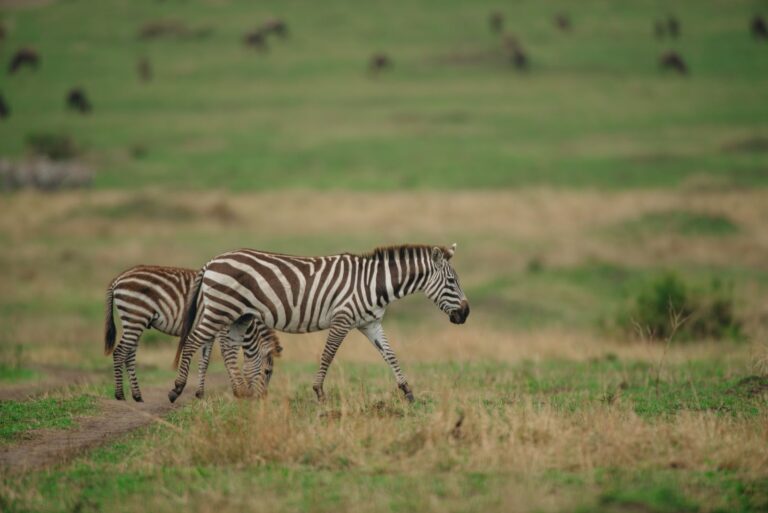
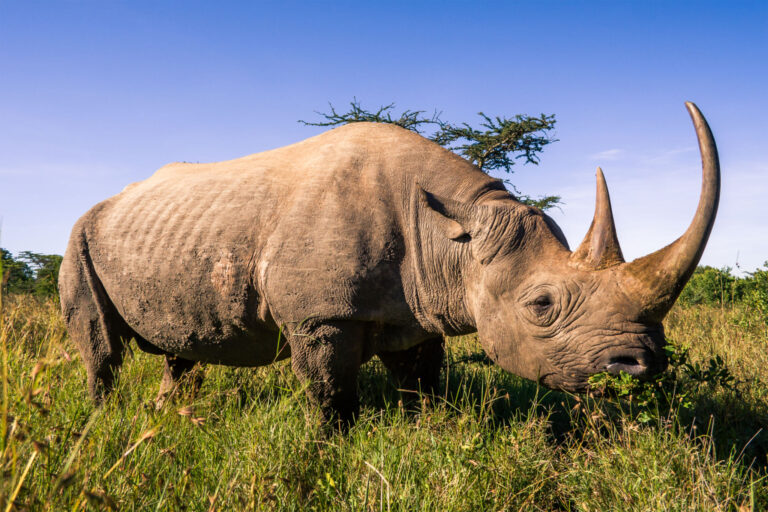
A wide range of species, including as massive herds of wildebeest, zebras, and gazelles, may be seen in the Ngorongoro Crater. It is also well-known for having a sizable population of black rhinoceroses, which are uncommon in other East African regions. Tanzania offers some of the most fulfilling safari experiences because of the country’s abundant wildlife.
Top Activities in Ngorongoro Conservation Area

Gamedrives
Most animals of the park are active during cooler hours of mornings and evenings. Sunrise game drive is an excellent way to observe leopards, lions, cheetahs, hyenas and many others.

Migration Tours
Ndutu plays a vital role in the Ecosystem particularly from January to March, when it becomes the primary calving ground for the wildebeest migration

Walking Safaris
You may have the chance to take a guided nature walk, depending on where you are staying. These nature walks give you the chance to indulge in the local flora and fauna and enjoy the quiet part of the park.

Flying Safaris
Skip the lengthy hours on the road and spend more time immersed in Tanzania's national parks' stunning scenery and animals.

Maasai Visit
Within the Ngorongoro Conservation Area embark on an extraordinary Maasai village tour and immerse yourself in the vibrant traditions and ancient practices.
Explore More Destinations
DAUDI MOLLEL
Safari Specialist
Experienced Safari Experts
You will have the opportunity to plan your journey with knowledgeable Safari Specialist who will guide you every step of the way. Embrace a life where you can dedicate more time to living the experience, rather than getting caught up in researching, worrying, and comparing.